In a thrilling climax to the T20 World Cup 2024, India emerged victorious against South Africa in Barbados, ending a 17-year wait to become T20 world champions once again. The celebration was electrifying, with Indian players overjoyed and the field swarmed by a jubilant dugout. The stadium echoed with the crowd’s cheers, while South Africa faced yet another heart-wrenching defeat.
Rohit Sharma’s emotional tears captured the essence of India’s remarkable comeback. Despite a potentially disastrous 15th over by Axar Patel, the Indian pacers fought back valiantly, and a crucial catch by Suryakumar Yadav sealed the deal. India’s resilience and determination were on full display in this incredible match.
Batting first, India managed a score of 176/7, with Virat Kohli and Axar Patel leading the charge. Although South African bowlers kept the score in check, India added a crucial 42 runs in the last three overs. Anrich Nortje’s final wicket ended the innings, but India had set a respectable total despite losing three wickets early in the Powerplay.
Rohit Sharma, leading India in this high-stakes final, chose to bat first. “It’s about understanding our roles, staying calm, and playing it like any other top-level match,” Sharma said, emphasizing the need for composure against a formidable South African team. India maintained an unchanged lineup for this decisive match.
Aiden Markram, reflecting on the pitch, noted it seemed dry and expressed his preference to bat first as well. He acknowledged South Africa’s journey, admitting occasional lapses but aiming for a near-perfect performance in their first-ever final. “Today we’re striving for that perfect game,” Markram remarked, highlighting the historic opportunity and the lack of pressure on his team. South Africa also fielded an unchanged team.
This final was a battle between two teams known for faltering at critical moments. Over the past three decades, South Africa has often cruised through group stages only to stumble in knockout rounds. This was their first World Cup final appearance. Similarly, India has faced a decade of frustration with semi-final exits and missed finals, despite strong league performances.
Both teams entered this final unbeaten, a rare scenario. South Africa’s wins, aside from their matches against Sri Lanka and Afghanistan, were not entirely convincing. In contrast, India faced significant challenges only from Pakistan. Whether South Africa’s narrow victories had strengthened their resolve or exposed vulnerabilities would be revealed in the final.
For India, Virat Kohli and Shivam Dube had underperformed with the bat. However, lineup changes, such as bringing in Yashasvi Jaiswal and moving Kohli to No. 3, were unlikely. South Africa debated whether to field both left-arm spinners or replace Tabraiz Shamsi with pacer Ottneil Baartman. Shamsi had more wickets but was more expensive in terms of runs conceded.
Indian captain Rohit Sharma shone with the bat, scoring 248 runs at a strike rate of 156. In contrast, South African captain Aiden Markram averaged 17, reflecting the challenging pitches they encountered. India’s bowlers, including Jasprit Bumrah and Kuldeep Yadav, were wary of South Africa’s experienced and powerful middle order.
In the end, India’s victory in the T20 World Cup 2024 final was a testament to their grit, strategy, and team spirit. This historic win not only ended their long wait for another T20 world title but also solidified their place among the cricketing greats, joining West Indies and England as the only teams to win the Men’s T20 World Cup twice.
Artificial Intelligence (AI) has been a hot topic in the tech industry for years, with discussions ranging from its potential benefits to its possible dangers. Among the many debates, the idea of an AI ‘God’—an omnipotent, omniscient artificial intelligence that could govern humanity—has emerged as a controversial and often speculative concept. While some technologists entertain these futuristic visions, others, like Facebook’s CEO Mark Zuckerberg, remain grounded in more pragmatic concerns and goals for AI. This blog explores Zuckerberg’s perspective on AI, his reasons for dismissing the notion of an AI ‘God’, and the broader implications of his stance.
The Rise of AI and the ‘God’ Concept
The term “AI God” conjures images of a superintelligent being capable of controlling or guiding human society with superior wisdom and power. This concept has roots in science fiction but has found real-world proponents among some futurists and technologists. The idea hinges on the belief that AI could eventually surpass human intelligence, leading to an entity with unparalleled cognitive capabilities.
This notion is closely tied to the concept of the technological singularity, a hypothetical future point when technological growth becomes uncontrollable and irreversible, resulting in unforeseeable changes to human civilization. Proponents argue that an AI ‘God’ could solve complex global problems, from climate change to economic inequality, using its superior intellect.
Mark Zuckerberg’s Practical Approach to AI
Mark Zuckerberg has long been a proponent of AI, but his vision for its future is rooted in practical applications rather than speculative theories. Under his leadership, Facebook (now Meta) has invested heavily in AI research and development, aiming to enhance user experience, improve content moderation, and develop innovative products. Zuckerberg envisions AI as a tool to augment human capabilities, not as a deity to be worshipped or feared.
Zuckerberg’s focus is on using AI to solve tangible problems. For instance, Meta employs AI to detect and remove harmful content from its platforms, to provide personalized recommendations to users, and to improve accessibility for people with disabilities. These applications are grounded in the present and are designed to enhance everyday life.
The Dismissal of the AI ‘God’ Concept
Zuckerberg’s dismissal of the AI ‘God’ idea stems from several key beliefs and principles:1. Realism Over Speculation: Zuckerberg is known for his pragmatic approach to technology. He emphasizes realistic and achievable goals over speculative and theoretical scenarios. The idea of an AI ‘God’ falls into the latter category, making it less appealing to someone focused on tangible results. 2. Human-Centered Design: Zuckerberg’s vision for AI is fundamentally human-centered. He believes that AI should be designed to serve and empower people, not to dominate or control them. The concept of an AI ‘God’ implies a level of control and power that contradicts this philosophy. 3. Ethical Concerns: The idea of an AI ‘God’ raises significant ethical questions. Who would control this superintelligent entity? How would its decisions be regulated? Zuckerberg’s focus on ethical AI development involves creating systems that are transparent, accountable, and fair. The AI ‘God’ concept lacks these assurances. 4. Technological Feasibility: From a technical standpoint, the creation of an AI ‘God’ is currently beyond our capabilities. AI research is progressing rapidly, but the leap to a superintelligent, omnipotent being is vast and fraught with challenges. Zuckerberg’s practical approach acknowledges these limitations.
The Broader Implications of Zuckerberg’s Stance
Zuckerberg’s rejection of the AI ‘God’ concept has broader implications for the tech industry and society at large. His stance reflects a growing sentiment among many technologists and ethicists who advocate for a more measured and responsible approach to AI development.1. Focus on Real-World Applications: By prioritizing practical applications of AI, Zuckerberg encourages innovation that directly benefits society. This approach can lead to advancements in healthcare, education, and other critical fields, improving quality of life and addressing pressing issues. 2. Ethical AI Development: Zuckerberg’s emphasis on ethical considerations helps ensure that AI systems are developed with fairness, accountability, and transparency in mind. This is crucial for maintaining public trust and avoiding the potential misuse of AI technologies. 3. Countering Hype and Fear: The concept of an AI ‘God’ can contribute to public fear and misunderstanding of AI. By dismissing this idea and focusing on tangible benefits, Zuckerberg helps counteract sensationalism and promote a more balanced view of AI. 4. Encouraging Responsible Innovation: Zuckerberg’s stance sets a precedent for responsible innovation in the tech industry. It encourages other leaders and companies to prioritize ethical considerations and realistic goals, fostering a culture of accountability and integrity.
The Role of AI in Meta’s Vision
Meta’s vision for the future involves a significant role for AI, but within the bounds of enhancing human experiences and connectivity. The rebranding from Facebook to Meta signifies a broader ambition to build the metaverse—a virtual reality space where users can interact, socialize, and work.
In this vision, AI plays a crucial role in creating immersive and interactive experiences. From virtual assistants to AI-driven content creation, the technology is seen as a tool to enrich user interactions and make the virtual world more dynamic and engaging.
Zuckerberg’s practical approach to AI is evident in Meta’s initiatives. For example, AI is used to create realistic avatars, develop intuitive user interfaces, and facilitate seamless communication across the metaverse. These applications showcase AI’s potential to transform digital experiences while remaining grounded in achievable and ethical goals.
Challenges and Future Directions
While Zuckerberg’s pragmatic approach to AI is commendable, it is not without challenges. The rapid advancement of AI technology necessitates ongoing vigilance to ensure ethical standards are upheld. Issues such as data privacy, algorithmic bias, and the potential for misuse remain pressing concerns.
To address these challenges, Meta and other tech companies must invest in robust governance frameworks, interdisciplinary collaboration, and public engagement. Transparency in AI development and deployment is crucial to maintaining trust and ensuring that the technology serves the greater good.
Looking forward, Zuckerberg’s vision for AI may evolve as the technology advances. However, his current stance provides a valuable foundation for responsible and ethical AI innovation. By focusing on practical applications and ethical considerations, he sets a path for AI that prioritizes human well-being and societal benefit.
Work-life balance is a crucial aspect of modern life, influencing both personal well-being and professional productivity. As two of the world’s most populous countries and fastest-growing economies, China and India present intriguing case studies on how different cultural, economic, and social factors shape work-life balance. This blog delves into the work-life differences between China and India, exploring aspects such as working hours, cultural attitudes, government policies, and the impact of urbanization.
Working Hours and Schedules
China: The 996 Culture
In China, the “996” work culture is widely known, referring to the practice of working from 9 AM to 9 PM, six days a week. This intense work schedule is particularly prevalent in the technology sector and among startups, where the competition is fierce, and the pressure to succeed is high. Jack Ma, co-founder of Alibaba, has publicly endorsed this culture, arguing that it is essential for personal and national growth.
However, this culture has its drawbacks. Prolonged working hours can lead to burnout, mental health issues, and a decrease in productivity over time. The Chinese government has acknowledged these issues, and in recent years, there has been a growing public discourse around the need for better work-life balance. Despite this, the 996 culture remains deeply ingrained in many industries.
India: A Diverse Landscape
India presents a more diverse picture regarding working hours. While traditional sectors like manufacturing and agriculture often adhere to fixed working hours, the burgeoning IT and service sectors exhibit more flexibility. In major cities like Bangalore, Mumbai, and Delhi, employees in multinational companies and startups might work long hours, but there’s also a growing trend towards flexible work schedules and remote working options.
The Indian labor market is characterized by its diversity, with significant variations across industries and regions. For example, employees in government jobs and public sector undertakings often enjoy more structured working hours and job security compared to their counterparts in the private sector.
Cultural Attitudes Towards Work and Life
China: Collective Success and Confucian Values
Chinese work culture is heavily influenced by Confucian values, which emphasize collective success, hierarchy, and respect for authority. These values foster a strong sense of duty and loyalty towards one’s employer, often leading to a high level of commitment and long working hours.
Family plays a central role in Chinese society, and despite the demanding work culture, people strive to maintain family ties and responsibilities. Traditional holidays like the Lunar New Year are significant, providing opportunities for family reunions and rest.
India: Balancing Tradition and Modernity
India’s work culture is a complex blend of traditional values and modern aspirations. Family remains a cornerstone of Indian society, and there is a strong emphasis on maintaining familial responsibilities alongside professional duties. Festivals such as Diwali, Holi, and Eid are important occasions for family gatherings and provide a break from work routines.
At the same time, the rapid economic growth and urbanization in India have introduced more Western-style work cultures, especially in the metropolitan areas. The younger generation is increasingly seeking a balance between work and personal life, pushing employers to adopt more employee-friendly policies.
Government Policies and Labor Laws
China: Government-Led Initiatives
The Chinese government plays a significant role in shaping work-life balance through policies and regulations. In recent years, there have been efforts to address the issues arising from the 996 culture. For instance, the Chinese Labor Law stipulates a standard workweek of 40 hours, with overtime pay required for additional hours. However, enforcement can be inconsistent, particularly in the private sector.
Moreover, China has been making strides in improving social welfare programs, including better maternity and paternity leave policies, to support working parents. The government is also promoting a more sustainable approach to economic growth, which may gradually reduce the emphasis on excessively long working hours.
India: A Mixed Bag of Regulations
India’s labor laws are comprehensive but often inconsistently enforced. The Factories Act of 1948 and the Shops and Establishments Act govern working hours, overtime, and working conditions. These laws aim to protect workers’ rights and ensure a reasonable work-life balance.
In recent years, India has introduced reforms to make labor laws more flexible and business-friendly. For example, the Code on Wages, 2019, consolidates various wage-related laws and aims to simplify compliance. Additionally, the Maternity Benefit (Amendment) Act, 2017, increased the duration of paid maternity leave to 26 weeks, one of the most generous provisions globally.
However, the informal sector, which employs a significant portion of India’s workforce, often falls outside the ambit of these regulations, leading to disparities in work-life balance.
Urbanization and Its Impact
China: Rapid Urbanization and Its Consequences
China’s rapid urbanization has profoundly impacted work-life balance. Major cities like Beijing, Shanghai, and Shenzhen have become economic powerhouses, attracting millions of workers from rural areas. This influx has led to high living costs, long commutes, and increased stress levels.
The Chinese government has recognized these challenges and is promoting policies to create more livable cities. Initiatives such as the development of secondary cities, improved public transportation, and the promotion of green spaces aim to enhance the quality of life for urban residents.
India: Urbanization and Regional Disparities
India is also experiencing significant urbanization, with cities like Mumbai, Delhi, and Bangalore expanding rapidly. This urban growth brings both opportunities and challenges. While cities offer better job prospects and higher incomes, they also grapple with issues like overcrowding, pollution, and inadequate infrastructure.
The Indian government is focusing on smart city initiatives to improve urban living conditions, including better housing, transportation, and digital infrastructure. However, regional disparities persist, with some cities and states being more advanced in these efforts than others.
Work-Life Balance Trends and Future Outlook
China: A Gradual Shift Towards Balance
In China, there is a growing awareness of the importance of work-life balance, especially among younger generations. Companies are increasingly adopting policies to support employee well-being, such as flexible working hours, remote work options, and wellness programs.
The Chinese government is also playing a proactive role by promoting healthier work environments and enforcing labor laws more strictly. As China continues to evolve economically and socially, it is likely that the work culture will gradually shift towards a more balanced approach.
India: Embracing Flexibility and Well-Being
India is witnessing a similar trend, with an increasing focus on employee well-being and flexible working arrangements. The COVID-19 pandemic accelerated the adoption of remote work, and many companies are now offering hybrid work models as a permanent option.
Additionally, there is a growing emphasis on mental health and wellness, with companies providing resources and support to help employees manage stress and achieve a better work-life balance. The Indian startup ecosystem is also playing a crucial role in promoting innovative work cultures that prioritize employee satisfaction.
Conclusion
The work-life balance in China and India is shaped by a myriad of factors, including cultural values, economic conditions, government policies, and urbanization trends. While both countries face challenges related to long working hours and high stress levels, there are also positive developments on the horizon.
In China, the shift towards a more balanced work culture is being driven by both government initiatives and changing societal attitudes. In India, the diversity of the labor market and the push for flexible working arrangements are helping create a more balanced approach to work and life.
As both nations continue to grow and evolve, it will be interesting to see how their work cultures adapt to the changing demands of the global economy and the aspirations of their people. Achieving a harmonious work-life balance will be crucial for ensuring sustainable development and enhancing the quality of life for millions of workers in these dynamic and vibrant countries.
In today’s hyper-connected world, communication networks are the lifeblood of society, enabling everything from personal conversations to critical infrastructure operations. Given their importance, it’s no surprise that governments around the globe are continually refining their approach to managing and regulating these networks, especially during emergencies. The new Telecom Act, which grants governments the authority to take control of all telecom networks during crises, is a significant development in this context. This blog explores the implications, rationale, and potential consequences of this legislative change.
Understanding the New Telecom Act
The new Telecom Act is a comprehensive piece of legislation designed to enhance national security, public safety, and emergency preparedness. At its core, the Act provides the government with the power to assume control over all telecommunications networks in the event of an emergency. This includes mobile networks, internet service providers, satellite communications, and any other form of electronic communication.
Key Provisions
Emergency Control Clause: The most notable provision of the Act is the emergency control clause, which allows the government to temporarily commandeer telecom networks during times of national crisis, such as natural disasters, terrorist attacks, or significant cyber incidents.
National Security: The Act emphasizes the importance of protecting national security, granting the government the authority to take preemptive measures to safeguard communication infrastructure against potential threats.
Public Safety: Ensuring the public’s safety during emergencies is a primary concern. The Act mandates that telecom providers must comply with government directives aimed at protecting citizens and maintaining order.
Regulatory Oversight: To ensure transparency and accountability, the Act establishes a regulatory framework for oversight, including regular reviews and reports to legislative bodies on the use of these powers.
Rationale Behind the Act
The rationale for granting such sweeping powers to the government is multifaceted, rooted in the need to address various contemporary challenges.
National Security
In an era where cyber threats are ever-evolving and increasingly sophisticated, the ability to swiftly secure and control communication networks is crucial. Foreign adversaries and terrorist organizations often target telecom infrastructure to disrupt communications, spread disinformation, and compromise national security. By having the authority to take control of these networks, the government can respond more effectively to such threats, mitigating their impact and ensuring the continued flow of accurate information.
Public Safety
Natural disasters, pandemics, and other emergencies require rapid and coordinated responses. During such events, communication networks become essential tools for disseminating information, coordinating rescue efforts, and maintaining public order. The government’s ability to manage these networks ensures that critical messages reach the public and emergency services without delay, potentially saving lives and reducing chaos.
Technological Dependence
Modern society’s dependence on technology means that disruptions to telecom networks can have far-reaching consequences. From financial transactions to healthcare services, many aspects of daily life rely on seamless communication. In emergencies, ensuring the stability and reliability of these networks becomes paramount. The Act provides a mechanism for the government to step in and stabilize the situation, minimizing disruption and facilitating recovery.
Potential Implications
While the new Telecom Act aims to enhance national security and public safety, it also raises several important questions and potential concerns.
Civil Liberties
One of the most significant concerns surrounding the Act is its potential impact on civil liberties. Granting the government extensive control over communication networks can lead to issues related to privacy and freedom of speech. Critics argue that such powers could be misused to monitor and censor communications, infringing on individual rights. To address these concerns, the Act includes provisions for oversight and accountability, but the balance between security and civil liberties remains a contentious issue.
Industry Impact
The telecom industry is likely to face significant changes as a result of the Act. Telecom providers will need to comply with new regulatory requirements and be prepared for government intervention during emergencies. This could lead to increased costs and operational challenges as companies invest in the necessary infrastructure and protocols to meet these demands. Additionally, there may be concerns about the government’s ability to manage and operate these networks effectively, given the complexity and technical expertise required.
International Relations
The implementation of the Telecom Act may also have implications for international relations. In a globalized world, communication networks are often interconnected across borders. The unilateral control of telecom networks by a single government could lead to tensions with other nations, particularly if it affects international communications or raises concerns about data privacy and security. Diplomatic efforts and international cooperation will be essential to address these challenges and ensure that the Act’s implementation does not create unintended geopolitical conflicts.
Historical Context
To understand the significance of the new Telecom Act, it is helpful to consider its historical context. Governments have long recognized the strategic importance of communication networks and have taken steps to regulate and control them during times of crisis.
World War II and Cold War
During World War II and the Cold War, governments around the world implemented strict controls over communication networks to prevent espionage, protect military operations, and ensure the integrity of wartime communications. These measures included censorship, monitoring of communications, and the establishment of secure communication channels for military and government use.
Post-9/11 Era
The September 11, 2001, terrorist attacks marked a significant turning point in the approach to national security and emergency preparedness. In the aftermath of the attacks, governments introduced a range of measures to enhance security, including the monitoring of telecommunications to detect and prevent terrorist activities. The new Telecom Act builds on these efforts by providing a legal framework for more comprehensive control of communication networks during emergencies.
Case Studies
Examining specific case studies can provide valuable insights into how the new Telecom Act might be applied in practice and its potential impact.
Hurricane Katrina (2005)
The devastating impact of Hurricane Katrina on the Gulf Coast of the United States highlighted the critical importance of communication networks during natural disasters. The widespread destruction caused by the hurricane disrupted communication infrastructure, hampering rescue efforts and exacerbating the crisis. The new Telecom Act aims to prevent such scenarios by enabling the government to take swift control of telecom networks, ensuring that emergency services can communicate effectively and coordinate their response.
COVID-19 Pandemic (2020)
The COVID-19 pandemic underscored the need for reliable communication networks to disseminate information and coordinate public health measures. Governments worldwide relied on telecom networks to share updates, conduct contact tracing, and facilitate remote work and education. The new Telecom Act would provide a legal framework for the government to manage these networks more effectively during pandemics, ensuring that critical information reaches the public and healthcare providers without interruption.
Technological and Ethical Considerations
As technology continues to evolve, so too do the ethical considerations surrounding the control of communication networks. The new Telecom Act must navigate these complexities to balance security and privacy.
Advancements in Technology
The rapid advancement of technology presents both opportunities and challenges for the implementation of the Telecom Act. Emerging technologies such as 5G, the Internet of Things (IoT), and artificial intelligence (AI) offer new capabilities for monitoring and managing communication networks. However, they also introduce new vulnerabilities that adversaries could exploit. The Act must account for these technological developments and ensure that the government’s control mechanisms remain effective and adaptable.
Ethical Implications
The ethical implications of government control over telecom networks are significant. Ensuring transparency, accountability, and respect for individual rights is crucial to maintaining public trust. The Act includes provisions for oversight and regular reviews, but continuous dialogue between policymakers, industry stakeholders, and civil society will be essential to address ethical concerns and adapt to changing circumstances.
Future Outlook
Looking ahead, the new Telecom Act represents a proactive approach to addressing the challenges of a rapidly evolving digital landscape. Its implementation will require careful consideration of various factors to ensure that it achieves its intended goals without unintended consequences.
Collaborative Approach
Effective implementation of the Act will require collaboration between the government, telecom providers, and other stakeholders. Establishing clear communication channels and protocols for coordination during emergencies will be essential to ensure a seamless transition of control. Additionally, fostering partnerships with international organizations and other nations can enhance global cooperation and address cross-border challenges.
Continuous Improvement
The dynamic nature of technology and the evolving threat landscape necessitate a continuous improvement approach. Regular reviews and updates to the Act will be essential to ensure that it remains relevant and effective. Policymakers must stay informed about technological advancements and emerging threats to adapt the legal framework accordingly.
Public Awareness
Raising public awareness about the purpose and implications of the Telecom Act is crucial for building trust and understanding. Educating citizens about the importance of secure and reliable communication networks during emergencies can help mitigate concerns and foster a sense of shared responsibility. Public outreach efforts should emphasize the safeguards in place to protect individual rights and privacy while highlighting the benefits of enhanced security and public safety.
Artificial Intelligence (AI) is revolutionizing industries across the globe, and its impact on the job market is profound. As AI continues to advance, professionals equipped with AI skills are finding more job opportunities and career growth prospects. For Gen Z, a generation entering the workforce amidst rapid technological change, mastering AI can be a game-changer. In this blog, we’ll explore how AI skills can help professionals seize job opportunities and accelerate Gen Z careers, along with some photo ideas to visually enhance the content.
Section 1: The Rising Importance of AI in the Job Market
1.1 AI’s Pervasive Influence
AI is no longer a niche technology; it’s embedded in various sectors such as healthcare, finance, marketing, and manufacturing. Companies use AI to optimize operations, enhance customer experiences, and drive innovation. This widespread adoption means that AI skills are increasingly in demand across different industries.
1.2 Job Market Evolution
The job market is evolving with AI creating new roles and transforming existing ones. Professions that involve data analysis, machine learning, and AI development are burgeoning. Furthermore, AI is automating routine tasks, allowing professionals to focus on more strategic, creative, and high-value activities.
Photo Idea: An infographic showing the growth of AI-related job postings over the years in various industries.
Section 2: AI Skills that Professionals Need
2.1 Understanding AI Fundamentals
Before diving into complex AI applications, professionals need to understand the basics. This includes knowledge of machine learning algorithms, neural networks, natural language processing, and computer vision. Foundational AI skills provide a solid base for more specialized learning.
2.2 Data Analysis and Interpretation
Data is the backbone of AI. Professionals need skills in data collection, cleaning, analysis, and interpretation. Tools like Python, R, and SQL are essential for handling data efficiently. Data visualization tools such as Tableau and Power BI are also valuable for presenting insights.
2.3 Machine Learning and Deep Learning
Machine learning (ML) and deep learning (DL) are core components of AI. ML involves training algorithms to learn from data and make predictions, while DL involves neural networks that can recognize patterns and make decisions. Proficiency in ML and DL frameworks like TensorFlow, Keras, and PyTorch is highly sought after.
Photo Idea: A visual representation of the AI skills pyramid, with fundamental skills at the base and advanced machine learning and deep learning skills at the top.
Section 3: AI Skills and Career Advancement for Gen Z
3.1 Early Exposure and Education
Gen Z has grown up with technology, making them naturally adept at learning new digital skills. Educational institutions are incorporating AI into their curriculums, offering courses and degrees in AI and related fields. Early exposure to AI concepts can spark interest and set a strong foundation for future careers.
3.2 Internship and Project Experience
Hands-on experience is crucial for mastering AI skills. Internships, co-op programs, and academic projects provide practical exposure to real-world AI applications. Working on AI projects helps Gen Z build a portfolio that demonstrates their capabilities to potential employers.
3.3 Online Learning and Certifications
Online platforms like Coursera, Udacity, and edX offer AI courses and certifications that are accessible and affordable. Gen Z can leverage these resources to gain expertise in specific AI domains and earn credentials that enhance their resumes.
Photo Idea: A collage of Gen Z students engaged in AI learning activities, such as coding, participating in hackathons, and showcasing project presentations.
Section 4: AI-Driven Job Opportunities
4.1 AI in Tech Companies
Tech giants like Google, Amazon, and Microsoft are at the forefront of AI innovation. These companies are constantly on the lookout for AI talent to develop new products and improve existing ones. Roles such as AI researchers, data scientists, and machine learning engineers are in high demand.
4.2 AI in Healthcare
AI is transforming healthcare by enabling predictive diagnostics, personalized treatment plans, and efficient patient care management. Professionals with AI skills can work on developing AI-driven healthcare applications, improving patient outcomes, and advancing medical research.
4.3 AI in Finance
The finance sector leverages AI for fraud detection, risk management, algorithmic trading, and customer service automation. AI professionals in finance work on developing and implementing AI models that enhance financial decision-making and operational efficiency.
Photo Idea: Images of professionals working in different AI-driven job settings, such as tech offices, healthcare facilities, and finance companies.
Section 5: Overcoming Challenges in AI Career Paths
5.1 Keeping Up with Rapid Changes
The AI field is dynamic, with rapid advancements and new technologies emerging constantly. Professionals need to commit to continuous learning and stay updated with the latest trends and developments. Joining AI communities, attending conferences, and subscribing to relevant journals can help keep skills current.
5.2 Bridging the Skill Gap
While AI skills are in high demand, there is a significant skill gap in the workforce. Professionals may find it challenging to acquire the necessary expertise without formal training. Bridging this gap requires a combination of formal education, online learning, and practical experience.
5.3 Ethical Considerations
AI professionals must be aware of the ethical implications of their work. This includes issues related to data privacy, algorithmic bias, and the societal impact of AI applications. Understanding and addressing these ethical considerations is essential for responsible AI development.
Photo Idea: A flowchart or diagram depicting the continuous learning cycle for AI professionals, including education, practical experience, and staying updated with trends.
Section 6: The Future of AI and Career Opportunities
6.1 AI and the Future of Work
AI is expected to continue reshaping the job market, creating new roles while transforming existing ones. The integration of AI in various sectors will lead to the emergence of hybrid jobs that combine technical and domain-specific skills. Professionals who adapt to these changes and acquire relevant AI skills will thrive.
6.2 AI in Emerging Industries
Emerging industries such as autonomous vehicles, smart cities, and renewable energy are heavily reliant on AI. These sectors offer exciting opportunities for AI professionals to work on cutting-edge technologies that have a significant impact on society and the environment.
6.3 Lifelong Learning and Adaptability
The key to success in an AI-driven job market is lifelong learning and adaptability. Professionals need to embrace a growth mindset, continuously seeking new knowledge and skills. This adaptability will enable them to navigate the evolving landscape and seize new opportunities as they arise.
Plastic waste is one of the most pressing environmental issues of our time. With millions of tons of plastic ending up in landfills and oceans each year, the need for sustainable solutions has never been more urgent. In response to this global crisis, Amazon, one of the world’s largest online retailers, has embarked on a mission to eliminate non-recyclable plastic from its operations. This blog will explore Amazon’s efforts, the progress they’ve made, and the challenges they face on this ambitious journey.
Section 1: The Scope of the Plastic Problem
1.1 The Environmental Impact of Plastic Waste
Plastic pollution has devastating effects on the environment. It harms wildlife, pollutes oceans, and contributes to climate change. Single-use plastics, which are often not recycled, are particularly problematic. They can take hundreds of years to decompose, during which time they break down into microplastics that contaminate ecosystems and food chains.
1.2 Amazon’s Role and Responsibility
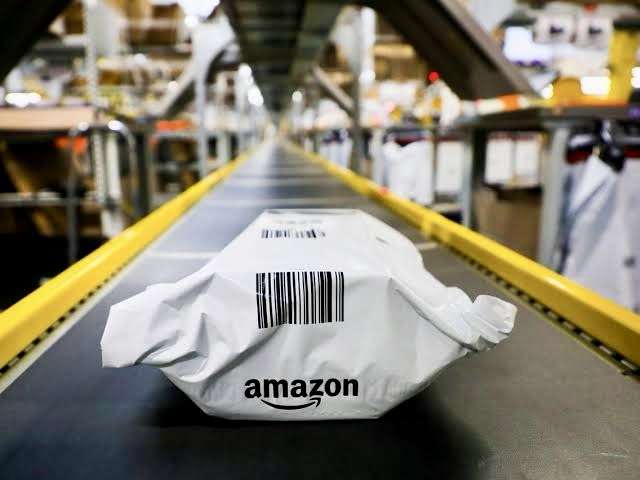
As a leading e-commerce giant, Amazon has a significant role to play in addressing plastic waste. The company ships millions of products globally, often using plastic packaging materials. Recognizing its environmental responsibility, Amazon has committed to reducing its plastic footprint and finding sustainable alternatives to non-recyclable plastics.
Section 2: Amazon’s Sustainability Initiatives
2.1 The Climate Pledge
In 2019, Amazon co-founded The Climate Pledge, committing to achieving net-zero carbon emissions by 2040. As part of this pledge, Amazon is focused on reducing waste, including plastic waste. This commitment underscores the company’s dedication to sustainability and sets a precedent for other corporations to follow.
2.2 Shipment Zero
Shipment Zero is another key initiative aimed at making all Amazon shipments net-zero carbon, with a goal of achieving 50% of all shipments by 2030. Reducing plastic packaging is a crucial component of this initiative. Amazon is exploring innovative packaging solutions and materials that minimize environmental impact.
Section 3: Progress in Reducing Plastic Waste
3.1 Sustainable Packaging Innovations
Amazon has made significant strides in developing and implementing sustainable packaging solutions. These include:
Frustration-Free Packaging (FFP): This initiative focuses on reducing packaging waste by designing products that ship in their own packaging, eliminating the need for additional boxes and plastic. FFP products are easier to open, recyclable, and designed to protect products during shipping.
Paper-Based Mailers: Amazon has introduced recyclable paper-based mailers as an alternative to plastic mailers. These mailers are made from 100% recycled paper and are fully recyclable, reducing the environmental impact of packaging.
Recyclable Bubble Wrap: Amazon is investing in the development of recyclable bubble wrap made from a single type of plastic that is easier to recycle. This innovation helps ensure that protective packaging does not contribute to plastic waste.
3.2 Plastic-Free Initiatives
In certain regions, Amazon has started eliminating single-use plastic in packaging altogether. For instance, in India, Amazon has introduced plastic-free packaging options, using paper cushions, biodegradable tapes, and recyclable paper mailers. These efforts have significantly reduced plastic waste and set an example for other markets.
Section 4: Collaboration and Partnerships
4.1 Partnering with Suppliers and Manufacturers
Amazon recognizes that collaboration with suppliers and manufacturers is essential for achieving its sustainability goals. The company works closely with its partners to develop and implement sustainable packaging solutions. By encouraging suppliers to adopt eco-friendly practices, Amazon amplifies its impact on reducing plastic waste.
4.2 Industry-Wide Initiatives
Amazon is also involved in industry-wide initiatives aimed at tackling plastic waste. The company is a member of the Ellen MacArthur Foundation’s New Plastics Economy, which brings together businesses, governments, and organizations to create a circular economy for plastics. Through this partnership, Amazon contributes to efforts to redesign plastic packaging, promote recycling, and reduce plastic pollution.
Section 5: Challenges and Obstacles
5.1 Balancing Sustainability and Cost
One of the major challenges Amazon faces is balancing sustainability with cost. Sustainable packaging materials can be more expensive than traditional plastic options. As a result, Amazon must find cost-effective solutions that do not compromise on sustainability. This requires continuous innovation and investment in research and development.
5.2 Consumer Behavior and Expectations
Consumer behavior and expectations also play a role in Amazon’s sustainability efforts. Customers expect their products to arrive quickly and in perfect condition, which often necessitates protective packaging. Educating consumers about the benefits of sustainable packaging and encouraging them to support eco-friendly choices is crucial for driving change.
5.3 Global Supply Chain Complexities
Amazon’s global supply chain adds another layer of complexity to its sustainability initiatives. Different regions have varying regulations, recycling infrastructures, and consumer preferences. Amazon must navigate these complexities to implement consistent and effective plastic reduction strategies worldwide.
Section 6: The Road Ahead
6.1 Continued Innovation and Investment
Amazon’s journey to eliminate non-recyclable plastic is far from over. The company is committed to continued innovation and investment in sustainable packaging solutions. This includes exploring new materials, improving recycling processes, and leveraging technology to optimize packaging designs.
6.2 Expanding Plastic-Free Initiatives
Building on its successes in regions like India, Amazon plans to expand its plastic-free initiatives to other markets. By scaling these efforts globally, Amazon can significantly reduce its plastic footprint and inspire other companies to follow suit.
6.3 Transparency and Accountability
Transparency and accountability are key to Amazon’s sustainability efforts. The company regularly reports on its progress, challenges, and goals through its sustainability reports. By being transparent about its journey, Amazon fosters trust with stakeholders and sets a benchmark for corporate responsibility.
In a groundbreaking development in the world of technology and finance, Nvidia has surpassed Microsoft to become the most valuable company globally. This monumental achievement reflects the shifting dynamics of the tech industry and highlights Nvidia’s remarkable journey from a graphics card manufacturer to a key player in artificial intelligence, data centers, and beyond. In this blog, we’ll explore the factors that led to Nvidia’s ascent, the implications for the tech industry, and what the future might hold for both Nvidia and Microsoft.
Section 1: The Rise of Nvidia
1.1 The Humble Beginnings
Founded in 1993 by Jensen Huang, Chris Malachowsky, and Curtis Priem, Nvidia began its journey as a graphics card manufacturer. The company quickly made a name for itself with its high-performance GPUs, catering primarily to gamers and graphic designers. Nvidia’s GeForce series, launched in 1999, became synonymous with cutting-edge gaming graphics, establishing the company as a leader in the industry.
1.2 Diversification and Innovation
Recognizing the potential of their technology beyond gaming, Nvidia began to diversify its offerings. The introduction of the CUDA (Compute Unified Device Architecture) platform in 2006 marked a significant turning point. CUDA enabled developers to leverage the parallel processing power of GPUs for a wide range of applications, including scientific research, data analytics, and artificial intelligence.
1.3 The AI Revolution
Nvidia’s strategic focus on AI and machine learning has been a game-changer. The company’s GPUs became the de facto standard for training complex neural networks, propelling advancements in AI research and applications. Nvidia’s investment in AI-focused hardware, such as the Tensor Core GPUs, has solidified its position as a leader in the AI hardware market.
1.4 Data Centers and Beyond
Beyond gaming and AI, Nvidia has made significant inroads into the data center market. The acquisition of Mellanox Technologies in 2020 expanded Nvidia’s capabilities in high-performance networking solutions, further strengthening its presence in the data center space. Nvidia’s data center business has grown exponentially, driven by the increasing demand for cloud computing, big data analytics, and AI-driven services.
Section 2: The Fall of Microsoft
2.1 Historical Context
Microsoft, a technology giant with a rich history, has been a dominant force in the tech industry for decades. Founded by Bill Gates and Paul Allen in 1975, Microsoft revolutionized personal computing with its Windows operating system and Office productivity suite. The company expanded its influence through strategic acquisitions and innovations in software, hardware, and cloud computing.
2.2 Challenges and Competition
Despite its impressive track record, Microsoft has faced several challenges in recent years. The rise of cloud computing giants like Amazon Web Services (AWS) and Google Cloud Platform (GCP) has intensified competition in the cloud market. While Microsoft’s Azure has seen substantial growth, it faces stiff competition from these established players.
2.3 Regulatory Scrutiny
Like many other tech giants, Microsoft has encountered regulatory scrutiny and legal challenges. Antitrust investigations and concerns over data privacy have put pressure on the company, impacting investor confidence. Navigating these regulatory hurdles while maintaining growth and innovation has proven to be a complex task for Microsoft.
2.4 The Pandemic Effect
The COVID-19 pandemic has reshaped the technology landscape, with remote work and digital transformation accelerating at an unprecedented pace. While Microsoft benefited from the surge in demand for cloud services and collaboration tools, it also faced supply chain disruptions and shifts in consumer behavior that affected its hardware and software sales.
Section 3: Nvidia’s Strategic Moves
3.1 Acquisitions and Partnerships
Nvidia’s strategic acquisitions and partnerships have played a crucial role in its rise to the top. The acquisition of ARM Holdings, announced in 2020, was a bold move aimed at expanding Nvidia’s reach into the mobile and embedded computing markets. Although the deal faced regulatory challenges, it underscored Nvidia’s ambition to become a powerhouse across diverse computing platforms.
3.2 Research and Development
Nvidia’s commitment to research and development (R&D) has been instrumental in its success. The company consistently invests a significant portion of its revenue in R&D, driving innovation and technological advancements. Nvidia’s focus on developing cutting-edge GPUs, AI hardware, and software ecosystems has kept it at the forefront of the industry.
3.3 AI and Machine Learning Leadership
Nvidia’s leadership in AI and machine learning cannot be overstated. The company’s GPUs power a wide range of AI applications, from autonomous vehicles to healthcare diagnostics. Nvidia’s AI ecosystem, including software frameworks like CUDA and libraries like cuDNN, has empowered developers and researchers to push the boundaries of AI capabilities.
3.4 Sustainability Initiatives
In addition to technological advancements, Nvidia has also made strides in sustainability. The company is committed to reducing its carbon footprint and has set ambitious goals for environmental sustainability. Nvidia’s efforts in this area resonate with socially conscious investors and customers, enhancing its overall brand value.
Section 4: Implications for the Tech Industry
4.1 Changing Market Dynamics
Nvidia’s ascent to the top spot in market valuation reflects broader shifts in the tech industry. The growing importance of AI, data centers, and high-performance computing is reshaping the competitive landscape. Companies that can adapt to these changes and innovate in emerging technologies are likely to thrive in the future.
4.2 Investor Sentiment
The stock market’s reaction to Nvidia’s rise is a testament to investor confidence in the company’s vision and growth prospects. As Nvidia continues to expand its market reach and technological capabilities, it is likely to attract further investment, driving its valuation even higher.
4.3 Competitive Pressures
Nvidia’s success puts pressure on other tech giants, including Microsoft, to innovate and adapt. Companies across the tech spectrum must reassess their strategies and investments to remain competitive in a rapidly evolving market. The focus on AI, cloud computing, and sustainable practices will be critical for long-term success.
4.4 Regulatory Considerations
As Nvidia’s influence grows, so does the likelihood of increased regulatory scrutiny. Governments and regulatory bodies worldwide are paying closer attention to the practices and market dominance of tech giants. Navigating these regulatory challenges while maintaining growth and innovation will be a key test for Nvidia.
Section 5: What the Future Holds
5.1 Continued Innovation
Nvidia’s future success hinges on its ability to continue innovating in AI, data centers, and other emerging technologies. The company’s robust R&D efforts and strategic acquisitions position it well for sustained growth. Nvidia’s vision for the future includes advancements in AI hardware, autonomous systems, and more.
5.2 Expanding Market Reach
Nvidia’s ambitions extend beyond traditional markets. The company’s foray into industries such as automotive, healthcare, and telecommunications highlights its potential to disrupt and redefine various sectors. As Nvidia expands its market reach, it will encounter new opportunities and challenges that will shape its trajectory.
5.3 Collaboration and Competition
Collaboration with other tech companies and research institutions will be crucial for Nvidia’s continued success. Partnerships can accelerate innovation and open new avenues for growth. However, competition with other tech giants will remain intense, driving Nvidia to stay ahead through continuous improvement and strategic initiatives.
5.4 Navigating Regulatory Landscapes
The regulatory environment will play a significant role in shaping Nvidia’s future. The company must navigate complex regulations related to data privacy, antitrust, and environmental sustainability. Building strong relationships with regulators and demonstrating a commitment to ethical practices will be essential.
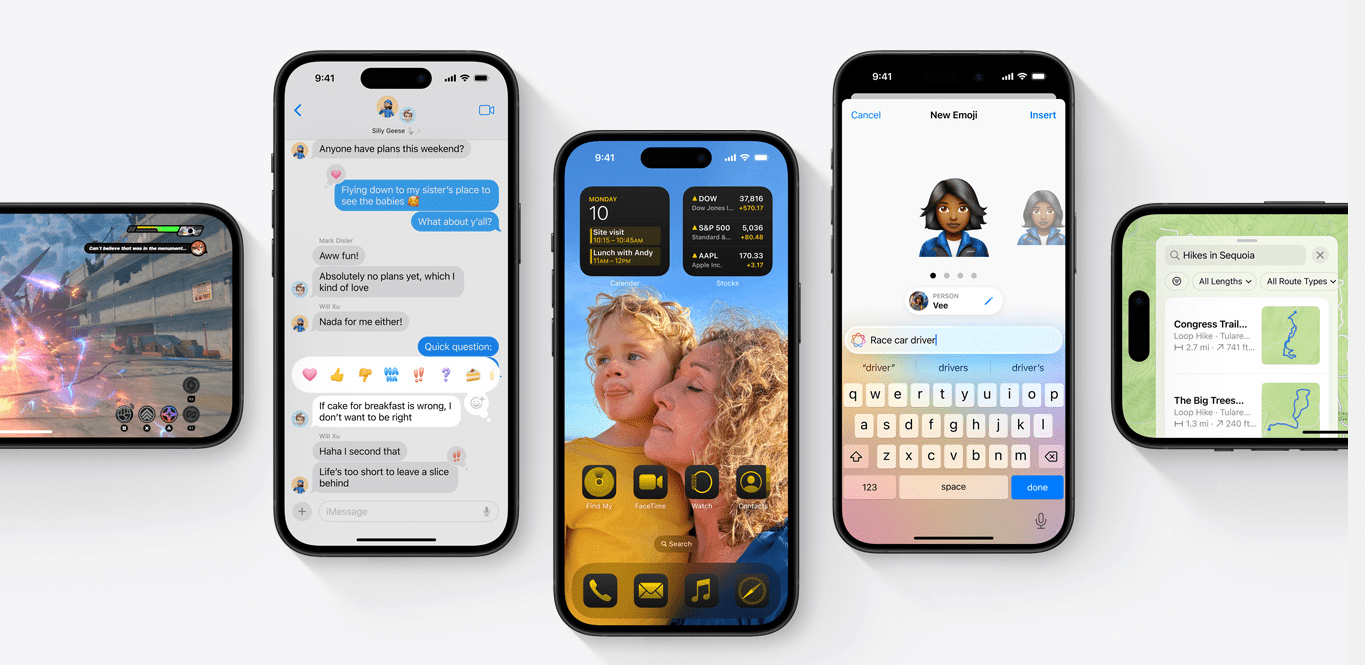
With anticipation building for the latest update to Apple’s mobile operating system, iOS 18 promises to bring exciting new features and enhancements. From advanced customization options to powerful new tools for writing, communication, and productivity, iOS 18 aims to make everyday tasks more intuitive and enjoyable. Let’s delve into the details of what this new release has in store for iPhone users.
iOS 18 Overview
Apple has always been at the forefront of mobile innovation, and iOS 18 is no exception. This latest update is all about giving users more control over their devices, enhancing communication, and leveraging Apple’s advanced AI capabilities to make the user experience more seamless and personalized.
Customization: Yours. Truly.
One of the standout features of iOS 18 is the enhanced customization options. Apple has made it easier than ever to personalize your iPhone, ensuring that it truly feels like your own.
Rearrange Apps and Widgets: With iOS 18, you can rearrange apps and widgets on your Home Screen with ease. This allows for a more personalized layout that suits your workflow and preferences. Whether you prefer a minimalist design or a more cluttered approach, the choice is yours.
New Look for App Icons: App icons and widgets now come with a sleek new dark look. You can tint them with any color or let iOS suggest a color that complements your wallpaper. Additionally, you can make apps and widgets appear larger for better visibility and accessibility.
Locked and Hidden Apps: Security is a top priority with iOS 18. You can now lock and hide apps to protect sensitive information. This is particularly useful when sharing your device with others.
Apple Intelligence: A New Era of AI
iOS 18 introduces Apple Intelligence, a suite of AI-driven features designed to make your iPhone smarter and more intuitive. Available on the iPhone 15 Pro and iPhone 15 Pro Max, Apple Intelligence uses your personal context to deliver the most relevant and helpful information.
New Writing Tools: Apple Intelligence brings new writing tools and language capabilities that help you write, summarize longer texts, and prioritize notifications. These tools are designed to enhance productivity and make communication more efficient.
Delightful Images and Genmoji: Create images to express yourself, craft Genmoji for conversations, or revisit favorite moments with your memory movies. Apple Intelligence helps you find the perfect image or emoji to convey your message.
A Smarter Siri: Siri has been significantly upgraded with richer language understanding and greater awareness of your context. This makes Siri more capable and helpful than ever, whether you’re setting reminders, sending messages, or searching the web.
Photos: The Biggest Redesign Ever
The Photos app in iOS 18 has received its biggest redesign yet, making it easier to organize and enjoy your photo library.
Organized Library: The entire photo library is now organized just for you. Collections automatically sort your photos by topics like Recent Days, Trips, and People & Pets. Pinned Collections allow for lightning-fast access to your most important albums.
Carousel View: A new Carousel view highlights your best content in a beautiful, poster-like format. Each day, it displays a new set of photos, providing a delightful surprise and a fresh way to relive your favorite moments.
Messages: All-New Ways to Play with Text
iOS 18 brings a host of new features to the Messages app, enhancing how you communicate with friends and family.
Text Effects: In addition to bold, italics, underline, and strikethrough, you can apply playful, animated effects to any letter, word, phrase, or emoji in iMessage. Many of these effects are automatically suggested as you type, adding a fun and dynamic element to your messages.
Tapback with Emoji and Stickers: Express yourself in more ways with the ability to use any emoji or sticker for Tapbacks. This feature expands the expressive capabilities of iMessage, making conversations more engaging.
Messages via Satellite: Stay connected even when you’re without Wi-Fi or cellular. This feature ensures you can send messages from remote locations, making it ideal for adventurers and those in rural areas.
Send Later: You can now schedule messages to be sent at a specific time. This is perfect for sending late-night reminders or important messages that need to go out at the right moment.
RCS Messaging Support: Rich Communication Services (RCS) bring richer media and delivery and read receipts for those who don’t use iMessage. This makes messaging more seamless across different platforms.
Mail: Coming Later This Year
The Mail app is getting some noteworthy updates that will roll out later this year.
Categorization: Have your emails sorted automatically into categories like Primary, focusing on time-sensitive messages and emails from friends, family, or colleagues.
Grouped Messages: View snippets of messages grouped by sender, making it easier to scan through receipts, marketing emails, and newsletters.
Safari: A More Intelligent Browser
Safari in iOS 18 introduces several new features to make your browsing experience more efficient and enjoyable.
Highlights: Safari will automatically detect relevant information on a page and highlight it as you browse. This includes helpful information like directions and quick links to learn more about people, music, movies, and TV shows.
Redesigned Reader: The Reader mode has been redesigned with a table of contents and a high-level summary, allowing you to get the gist of an article before diving in.
Passwords App: All Your Credentials in One Place
iOS 18 introduces the Passwords app, a secure place to store all your credentials.
Securely Synced: All your passwords, verifications, and security alerts are securely synced across devices and apps, including iPhone, iPad, Mac, Apple Vision Pro, and even Windows.
Maps: Enhanced for the Outdoors
The Maps app in iOS 18 includes new features designed for outdoor enthusiasts.
Topographic Maps and Trail Networks: Download detailed topographic maps and trail networks for offline use. This is perfect for hikers and outdoor adventurers.
Custom Walking and Hiking Routes: Create your own walking and hiking routes and save them for offline access. You can also add notes to your routes.
Game Mode: Elevate Your Gaming Experience
iOS 18 introduces Game Mode, designed to enhance gaming performance on your iPhone.
Maximize Gameplay Performance: Game Mode minimizes background activity to sustain consistently high frame rates for hours of continuous gameplay.
Responsive AirPods and Controllers: Game Mode dramatically reduces audio latency with AirPods and makes wireless game controllers incredibly responsive.
Wallet: Simplified and Enhanced
The Wallet app gets several new features in iOS 18.
Tap to Cash: A new feature that allows you to bring iPhone devices together to pay privately, making transactions quick and easy.
Apple Pay Enhancements: Pay using rewards or pay in installments, giving you more flexibility in how you manage your payments.
Event Tickets and Guides: Redesigned event tickets now include new features, such as an event guide that combines helpful information about the venue with recommendations from Apple apps.
AirPods: Enhanced Interactions
iOS 18 brings new capabilities to AirPods, making them even more versatile.
Hands-Free Siri Interactions: Control Siri with simple gestures like nodding to say yes or shaking your head to say no.
Voice Isolation on AirPods Pro: Enjoy crystal clear calls even in noisy environments, thanks to advanced computational audio.
Personalized Spatial Audio for Gaming: Immerse yourself in your favorite games with personalized spatial audio, delivering an experience that puts you right in the middle of the action.
Notes: A Productivity Powerhouse
The Notes app in iOS 18 receives several powerful new features.
Live Audio Transcription: Record audio sessions within your notes and generate live transcriptions that you can search through or combine with other comments, checklists, or documents.
Crunch Numbers: Enter mathematical expressions and have them solved instantly while typing, making Notes a versatile tool for calculations.
Collapsible Sections: Simplify and hide text with collapsible section headers, making it easier to manage your most text-heavy notes.
Highlighting: Make important text stand out with color highlighting.
Journal: For Your Wellbeing
The new Journal app in iOS 18 is designed to help you track your wellbeing.
Log Your State of Mind: Record your thoughts and feelings in the Journal app, and automatically add the time you spent journaling as mindful minutes in the Health app.
Track Goals with Insights View: View your writing streaks, a calendar with existing entries, and other fun stats to stay on top of your journaling goals.
Sort and Search Past Entries: Easily find past journal entries with advanced sorting and search capabilities.
Apple TV App: A New Way to Watch
The Apple TV app in iOS 18 introduces InSight, a new feature that enhances your viewing experience.
InSight: Learn more about the actors and music in Apple Original content as it plays onscreen. This feature is also available when using iPhone as a remote control for Apple TV 4K, perfect for when you’re watching with others.
Home App: Smarter Home Management
The Home app in iOS 18 brings several new features to help you manage your smart home more effectively.
Guest Access: Grant specific controls to guests, allowing them to access the garage openers, alarm systems, and door locks you select, at the times you choose.
Hands-Free Unlock: Magically unlock doors as you approach, simply by carrying your iPhone or wearing your Apple Watch.
Robot Vacuum Cleaner Support: Control your robot vacuum cleaner with Siri, coming later this year.
View Home Electricity Use: Eligible Pacific Gas and Electric Company customers can view their home electricity usage and rate plan information directly from the Home app.
Privacy and Security: Enhanced Protection
Privacy and security remain top priorities in iOS 18, with several new features to keep your data safe.
Control How You Share Contacts: Decide which contacts to share with an app, rather than giving it access to all your contacts. You can also give the app access only to those you message and call most frequently.
Redesigned Privacy and Security Settings: An improved settings menu makes it easier to manage how much information you’re sharing with apps.
Improved Bluetooth Privacy: Pair accessories with greater privacy, ensuring your data remains secure.
Accessibility: Inclusive by Design
iOS 18 includes numerous accessibility features designed to make the iPhone more usable for everyone.
Eye Tracking: Control your iPhone with just your eyes, making the device accessible for people with mobility impairments.
Music Haptics: Sync the iPhone Taptic Engine with the rhythm of songs, allowing those who are deaf or hard of hearing to enjoy the Apple Music catalog.
Vocal Shortcuts: Record sounds that trigger specific actions on your iPhone, designed for people with severe atypical speech.
Additional Features
iOS 18 includes a variety of other enhancements and features:
Calculator: The all-new Math Notes calculator includes a portrait orientation for the scientific calculator, unit conversion, and history tracking.
Calendar: A redesigned month view makes it easier to get an overview of your month ahead. You can also create, view, edit, and complete reminders from the Reminders app directly within Calendar.
Freeform: New Scenes let you organize and present your board section by section. You can send a copy of your board to anyone with a link and use an improved diagramming mode to form connections on your canvas.
SharePlay: Enhanced screen sharing capabilities allow you to draw on someone’s screen so they can see what to do, or control their screen and take actions yourself.
Emergency SOS Live Video: Share streaming video and recorded media during emergency calls, making it easier and faster to get the help you need.
Apple Fitness+: A new design lets you jump right into a personalized selection of workouts or meditations. The For You tab elevates activities based on preferred trainers, durations, and music. An all-new search feature makes it easy to find exactly what you love.
Phone: Record and transcribe live calls directly from the Phone app. You can also search call history more easily, dial smarter, and switch SIM cards seamlessly.
Compatibility
iOS 18 is compatible with a wide range of devices, ensuring that many users can take advantage of these new features. The supported devices include:
iPhone 15, iPhone 15 Plus, iPhone 15 Pro, iPhone 15 Pro Max
iPhone 14, iPhone 14 Plus, iPhone 14 Pro, iPhone 14 Pro Max
iPhone 13, iPhone 13 mini, iPhone 13 Pro, iPhone 13 Pro Max
iPhone 12, iPhone 12 mini, iPhone 12 Pro, iPhone 12 Pro Max
iPhone 11, iPhone 11 Pro, iPhone 11 Pro Max
iPhone XS, iPhone XS Max, iPhone XR
iPhone SE (2nd generation or later)
Join the Apple Beta Software Program
If you’re eager to try out iOS 18 before its official release, you can join the Apple Beta Software Program. This allows you to experience the new features and provide feedback to help Apple refine the final release.
Conclusion
iOS 18 is shaping up to be a significant update, packed with features that enhance customization, communication, productivity, and more. Whether you’re a power user or someone who just wants their phone to work better for them, iOS 18 has something to offer. Stay tuned for its release this fall and experience the magic of Apple’s latest innovations.
For more information, you can watch the official Apple event or visit the Apple website.
Laptops have become indispensable tools in our daily lives, serving as our gateway to work, entertainment, communication, and much more. However, like any electronic device, laptops are susceptible to various issues that can disrupt our productivity and cause frustration. From software glitches to hardware malfunctions, encountering problems with your laptop is inevitable. Fortunately, many common laptop issues can be resolved through simple troubleshooting steps, saving you time, money, and hassle. In this comprehensive guide, we’ll explore the most common laptop problems and provide practical DIY solutions to help you troubleshoot and resolve them effectively.
Slow Performance:
One of the most common complaints among laptop users is slow performance. This can manifest as sluggishness when opening programs, delays in response time, and overall system unresponsiveness. Several factors can contribute to slow performance, including insufficient RAM, high CPU usage, excessive background processes, and disk fragmentation. To address slow performance issues:
Close unnecessary programs and browser tabs to free up system resources.
Disable startup programs and services that run in the background.
Perform a disk cleanup to remove temporary files and unnecessary data.
Upgrade your RAM to improve multitasking capabilities and overall system performance.
Consider upgrading to a solid-state drive (SSD) for faster boot times and application loading speeds.
Overheating:
Overheating is a common issue that can affect laptop performance and longevity. Excessive heat buildup can cause thermal throttling, system instability, and hardware damage if left unchecked. Common causes of overheating include dust accumulation in the cooling vents, inadequate ventilation, malfunctioning cooling fans, and heavy CPU or GPU usage. To prevent overheating and improve laptop cooling:
Clean the cooling vents and fan blades using compressed air to remove dust and debris.
Place the laptop on a flat, hard surface to ensure proper airflow and ventilation.
Use a laptop cooling pad or stand with built-in fans to improve air circulation and dissipate heat.
Avoid using the laptop on soft surfaces like beds or couches, which can obstruct airflow and trap heat.
Monitor CPU and GPU temperatures using software utilities and adjust performance settings to reduce heat generation.
Battery Drainage:
Another common issue faced by laptop users is rapid battery drainage or shortened battery life. Over time, laptop batteries degrade due to regular use, charge cycles, and aging, resulting in reduced capacity and performance. Factors such as high screen brightness, power-hungry applications, background processes, and improper charging habits can also contribute to battery drainage. To extend your laptop’s battery life and optimize battery performance:
Adjust screen brightness settings to a lower level to conserve battery power.
Close unnecessary background processes and applications that consume CPU resources.
Use power-saving modes or settings provided by your operating system to minimize energy consumption.
Avoid exposing the laptop to extreme temperatures, as heat can accelerate battery degradation.
Calibrate your laptop battery periodically to recalibrate the battery gauge and improve accuracy.
Wi-Fi Connectivity Issues:
Wi-Fi connectivity problems can disrupt your ability to access the internet and connect to wireless networks. Common issues include slow or intermittent Wi-Fi connections, limited range, dropped connections, and failure to detect available networks. Wi-Fi interference, outdated drivers, router issues, and network congestion can all contribute to Wi-Fi connectivity issues. To troubleshoot Wi-Fi connectivity problems:
Restart your laptop and router to refresh network settings and clear temporary glitches.
Move closer to the router or switch to a different Wi-Fi channel to improve signal strength and reduce interference.
Update your wireless network drivers to the latest version available from the manufacturer’s website.
Reset your router to factory defaults and reconfigure network settings if necessary.
Use network diagnostic tools and utilities to identify and resolve connectivity issues.
Blue Screen of Death (BSOD):
The Blue Screen of Death (BSOD) is a dreaded sight for many Windows users, indicating a critical system error that requires attention. BSOD errors can occur due to various reasons, including hardware failures, driver issues, software conflicts, and corrupt system files. When encountering a BSOD, the system typically displays an error message along with a stop code indicating the nature of the problem. To troubleshoot BSOD errors and prevent system crashes:
Restart your laptop and check for recent hardware or software changes that may have triggered the BSOD.
Update device drivers, particularly those related to the motherboard, graphics card, and storage devices.
Run Windows Memory Diagnostic or third-party memory testing tools to check for RAM errors.
Perform a system file check (SFC) using the Command Prompt to scan for and repair corrupted system files.
Consider restoring your laptop to a previous restore point or performing a clean installation of Windows to resolve persistent BSOD issues.
Unresponsive Touchpad or Keyboard:
Unresponsive touchpad or keyboard inputs can hinder your ability to navigate and interact with your laptop effectively. Issues such as frozen cursor movements, delayed key presses, and non-functional keys can occur due to driver issues, software conflicts, physical damage, or accidental keyboard shortcuts. To troubleshoot touchpad and keyboard problems:
Restart your laptop and check for driver updates for the touchpad and keyboard devices.
Ensure that the touchpad and keyboard are enabled in the device settings and control panel.
Clean the touchpad surface and keyboard keys to remove dirt, debris, and moisture that may impede functionality.
Test the touchpad and keyboard in safe mode to rule out software-related issues or conflicts.
Consider connecting an external mouse and keyboard to determine if the problem is isolated to the built-in components.
Screen Flickering or Display Issues:
Screen flickering, display artifacts, and other visual abnormalities can detract from your viewing experience and indicate underlying hardware or software problems. Issues such as flickering screens, distorted images, and blank displays can occur due to faulty graphics drivers, loose connections, display cable issues, or hardware defects. To troubleshoot screen flickering and display problems:
Update your graphics drivers to the latest version available from the manufacturer’s website.
Check for loose or damaged display cables and connections between the laptop and external monitors.
Adjust screen resolution, refresh rate, and display settings to ensure compatibility with your monitor or external display.
Test the laptop’s display in safe mode to determine if the issue persists without third-party software or drivers.
Consider resetting the laptop’s display settings to default values or performing a hardware diagnostic test to identify potential hardware failures.
Conclusion: Encountering common laptop issues can be frustrating, but with the right knowledge and troubleshooting techniques, many problems can be resolved quickly and effectively. By following the DIY solutions outlined in this guide, you can address slow performance, overheating, battery drainage, Wi-Fi connectivity issues, Blue Screen of Death (BSOD) errors, unresponsive touchpad or keyboard inputs, screen flickering, and display problems with confidence. Remember to exercise caution and seek professional assistance if you encounter persistent or complex issues beyond your expertise. With a proactive approach to laptop maintenance and troubleshooting, you can keep your device running smoothly and optimize its performance for years to come.
Introduction: In today’s digital age, desktop PCs remain a staple in homes, offices, and educational institutions around the world. Whether you’re a casual user, a creative professional, or a hardcore gamer, selecting the right desktop PC is crucial for meeting your specific needs and preferences. With a plethora of options available on the market, choosing the perfect desktop PC can be overwhelming. In this comprehensive guide, we’ll walk you through the essential factors to consider when selecting a desktop PC tailored to your requirements.
Understanding Your Needs: Before delving into the technical specifications and features of desktop PCs, it’s essential to assess your specific needs and usage requirements. Consider the following questions to help guide your decision-making process:
What Will You Use the Desktop PC For?
Determine whether you primarily need the desktop PC for everyday tasks such as web browsing, email, and document processing, or if you require it for more demanding activities such as graphic design, video editing, gaming, or programming.
What Is Your Budget?
Establish a budget range that aligns with your financial constraints and expectations. Keep in mind that desktop PCs come in a wide range of price points, from budget-friendly options to high-end configurations with premium features.
Do You Have Space Constraints?
Consider the available space in your home or office environment where the desktop PC will be located. Determine whether you prefer a compact form factor like a mini-tower or small form factor (SFF) PC, or if you have ample space for a full-size tower or all-in-one (AIO) desktop.
Factors to Consider When Choosing a Desktop PC:
Form Factor:
Desktop PCs come in various form factors, including towers, small form factor (SFF) PCs, mini-towers, and all-in-one (AIO) desktops. Choose a form factor that suits your space constraints, aesthetic preferences, and upgradeability requirements.
Processor (CPU):
The CPU is the brain of the computer, responsible for executing instructions and performing calculations. Consider factors such as clock speed, number of cores, and thermal design power (TDP) when selecting a CPU. Options range from budget-friendly processors like Intel Core i3 or AMD Ryzen 3 to high-performance CPUs like Intel Core i9 or AMD Ryzen 9.
Graphics Processing Unit (GPU):
The GPU, also known as the graphics card or video card, is essential for rendering graphics and images, especially in gaming, video editing, and 3D modeling applications. Choose a GPU that matches your usage requirements, whether it’s integrated graphics for basic tasks or dedicated graphics for gaming and multimedia production.
Random Access Memory (RAM):
RAM plays a crucial role in multitasking and overall system performance. Opt for a desktop PC with sufficient RAM capacity and speed to accommodate your workflow. Consider DDR4 RAM modules with higher frequencies for faster data transfer rates and smoother multitasking capabilities.
Storage Options:
Choose the right storage solution based on your storage capacity and speed requirements. Options include traditional hard disk drives (HDDs) for cost-effective storage and solid-state drives (SSDs) for faster boot times, application loading, and data access speeds. Consider hybrid storage configurations or NVMe SSDs for optimal performance and capacity.
Operating System (OS):
Select an operating system that meets your compatibility, familiarity, and software requirements. Options include Microsoft Windows, macOS, and Linux distributions like Ubuntu or Fedora. Consider factors such as software compatibility, user interface preferences, and security features when choosing an OS.
Connectivity and Expansion:
Evaluate the desktop PC’s connectivity options and expansion capabilities to ensure compatibility with your peripherals and future upgradeability. Look for features such as USB ports, audio jacks, HDMI or DisplayPort outputs, expansion slots, and Wi-Fi or Ethernet connectivity options.
Display and Multimedia:
Consider your display and multimedia requirements when selecting a desktop PC. If you plan to use the PC for gaming or multimedia consumption, opt for a high-resolution monitor with features like adaptive sync technology, high refresh rates, and HDR support. Additionally, consider audio capabilities such as built-in speakers or audio outputs for external speakers or headphones.
Brand Reputation and Support:
Research desktop PC brands known for their reliability, performance, and customer support. Consider factors such as warranty coverage, after-sales service, and user reviews when evaluating different brands and models. Choose a reputable brand with a track record of delivering quality products and responsive support.
Conclusion: Choosing the right desktop PC requires careful consideration of your specific needs, preferences, and budget constraints. By assessing factors such as form factor, processor, graphics, memory, storage, operating system, connectivity, and brand reputation, you can make an informed decision that meets your requirements and enhances your computing experience. Whether you’re a casual user, a creative professional, or a dedicated gamer, selecting the perfect desktop PC tailored to your needs is the first step toward unlocking its full potential for productivity, creativity, and entertainment.