
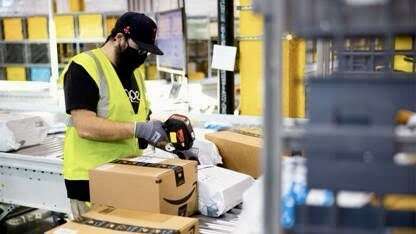
Amazon is making strides in reducing non-recyclable plastic waste. They’re committed to finding better solutions, and it’s starting to pay off.
Plastic waste is one of the most pressing environmental issues of our time. With millions of tons of plastic ending up in landfills and oceans each year, the need for sustainable solutions has never been more urgent. In response to this global crisis, Amazon, one of the world’s largest online retailers, has embarked on a mission to eliminate non-recyclable plastic from its operations. This blog will explore Amazon’s efforts, the progress they’ve made, and the challenges they face on this ambitious journey.
Section 1: The Scope of the Plastic Problem
1.1 The Environmental Impact of Plastic Waste
Plastic pollution has devastating effects on the environment. It harms wildlife, pollutes oceans, and contributes to climate change. Single-use plastics, which are often not recycled, are particularly problematic. They can take hundreds of years to decompose, during which time they break down into microplastics that contaminate ecosystems and food chains.
1.2 Amazon’s Role and Responsibility
As a leading e-commerce giant, Amazon has a significant role to play in addressing plastic waste. The company ships millions of products globally, often using plastic packaging materials. Recognizing its environmental responsibility, Amazon has committed to reducing its plastic footprint and finding sustainable alternatives to non-recyclable plastics.
Section 2: Amazon’s Sustainability Initiatives
2.1 The Climate Pledge
In 2019, Amazon co-founded The Climate Pledge, committing to achieving net-zero carbon emissions by 2040. As part of this pledge, Amazon is focused on reducing waste, including plastic waste. This commitment underscores the company’s dedication to sustainability and sets a precedent for other corporations to follow.
2.2 Shipment Zero
Shipment Zero is another key initiative aimed at making all Amazon shipments net-zero carbon, with a goal of achieving 50% of all shipments by 2030. Reducing plastic packaging is a crucial component of this initiative. Amazon is exploring innovative packaging solutions and materials that minimize environmental impact.
Section 3: Progress in Reducing Plastic Waste
3.1 Sustainable Packaging Innovations
Amazon has made significant strides in developing and implementing sustainable packaging solutions. These include:
- Frustration-Free Packaging (FFP): This initiative focuses on reducing packaging waste by designing products that ship in their own packaging, eliminating the need for additional boxes and plastic. FFP products are easier to open, recyclable, and designed to protect products during shipping.
- Paper-Based Mailers: Amazon has introduced recyclable paper-based mailers as an alternative to plastic mailers. These mailers are made from 100% recycled paper and are fully recyclable, reducing the environmental impact of packaging.
- Recyclable Bubble Wrap: Amazon is investing in the development of recyclable bubble wrap made from a single type of plastic that is easier to recycle. This innovation helps ensure that protective packaging does not contribute to plastic waste.
3.2 Plastic-Free Initiatives
In certain regions, Amazon has started eliminating single-use plastic in packaging altogether. For instance, in India, Amazon has introduced plastic-free packaging options, using paper cushions, biodegradable tapes, and recyclable paper mailers. These efforts have significantly reduced plastic waste and set an example for other markets.
Section 4: Collaboration and Partnerships
4.1 Partnering with Suppliers and Manufacturers
Amazon recognizes that collaboration with suppliers and manufacturers is essential for achieving its sustainability goals. The company works closely with its partners to develop and implement sustainable packaging solutions. By encouraging suppliers to adopt eco-friendly practices, Amazon amplifies its impact on reducing plastic waste.
4.2 Industry-Wide Initiatives
Amazon is also involved in industry-wide initiatives aimed at tackling plastic waste. The company is a member of the Ellen MacArthur Foundation’s New Plastics Economy, which brings together businesses, governments, and organizations to create a circular economy for plastics. Through this partnership, Amazon contributes to efforts to redesign plastic packaging, promote recycling, and reduce plastic pollution.
Section 5: Challenges and Obstacles
5.1 Balancing Sustainability and Cost
One of the major challenges Amazon faces is balancing sustainability with cost. Sustainable packaging materials can be more expensive than traditional plastic options. As a result, Amazon must find cost-effective solutions that do not compromise on sustainability. This requires continuous innovation and investment in research and development.
5.2 Consumer Behavior and Expectations
Consumer behavior and expectations also play a role in Amazon’s sustainability efforts. Customers expect their products to arrive quickly and in perfect condition, which often necessitates protective packaging. Educating consumers about the benefits of sustainable packaging and encouraging them to support eco-friendly choices is crucial for driving change.
5.3 Global Supply Chain Complexities
Amazon’s global supply chain adds another layer of complexity to its sustainability initiatives. Different regions have varying regulations, recycling infrastructures, and consumer preferences. Amazon must navigate these complexities to implement consistent and effective plastic reduction strategies worldwide.
Section 6: The Road Ahead
6.1 Continued Innovation and Investment
Amazon’s journey to eliminate non-recyclable plastic is far from over. The company is committed to continued innovation and investment in sustainable packaging solutions. This includes exploring new materials, improving recycling processes, and leveraging technology to optimize packaging designs.
6.2 Expanding Plastic-Free Initiatives
Building on its successes in regions like India, Amazon plans to expand its plastic-free initiatives to other markets. By scaling these efforts globally, Amazon can significantly reduce its plastic footprint and inspire other companies to follow suit.
6.3 Transparency and Accountability
Transparency and accountability are key to Amazon’s sustainability efforts. The company regularly reports on its progress, challenges, and goals through its sustainability reports. By being transparent about its journey, Amazon fosters trust with stakeholders and sets a benchmark for corporate responsibility.
